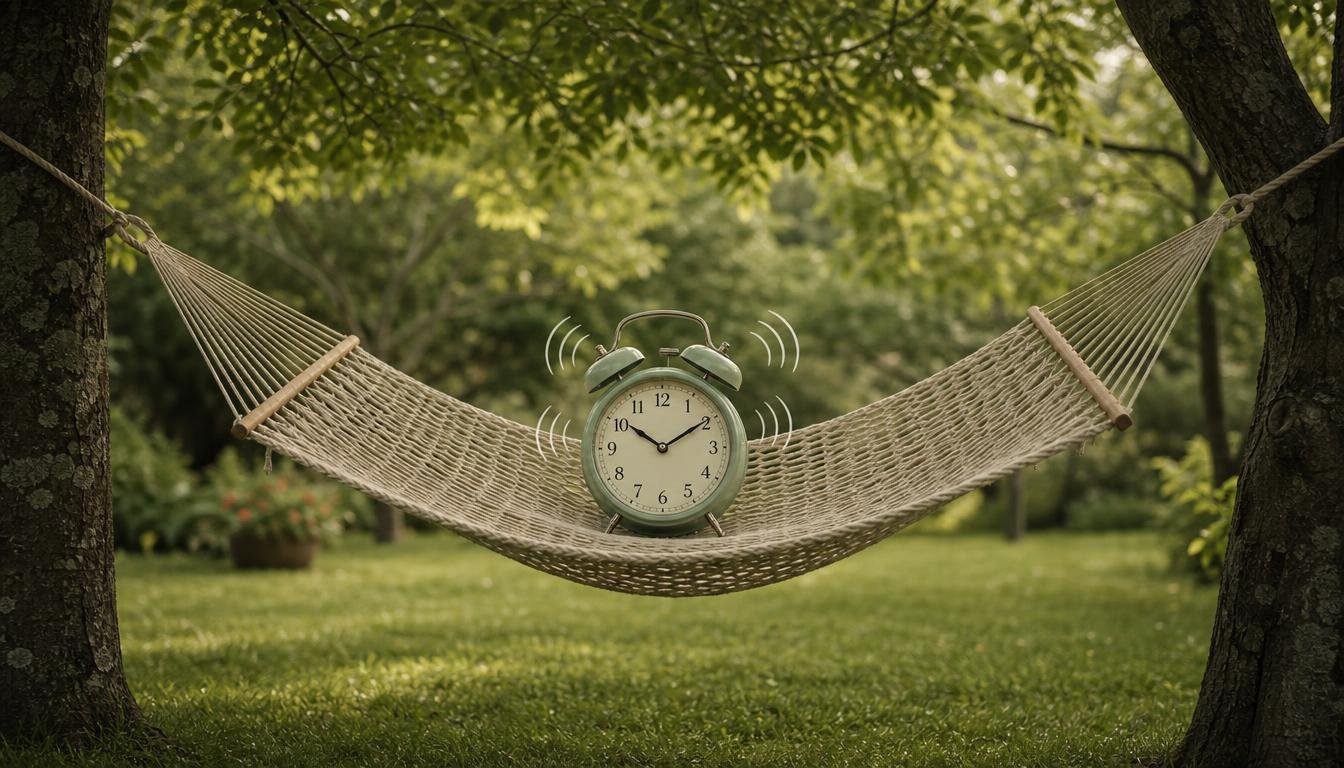
You finally sit down with nothing scheduled. No deadline, no obligation, a quiet evening that should feel like exactly what you needed. Instead, your chest tightens, your mind starts drafting a to-do list, and within ten minutes you’re up doing something “useful.” If you’ve ever asked yourself why can’t I relax even when you’re exhausted, there’s a name for it, and it isn’t laziness or bad time management.
Why Can’t I Relax? It Has a Name
Researchers describe this pattern as rest intolerance: the guilt, shame, or discomfort some people feel when they try to rest. A study on rest intolerance links it to emotional distress and sleep problems, which suggests the discomfort is real and measurable, not just a personality quirk. It also explains why “just relax” is such useless advice. If rest itself feels threatening, being told to do it harder doesn’t help.
Where the Guilt Comes From
Most people who can’t relax share a few underlying patterns:
- Worth tied to output: Somewhere along the way, being productive became linked to being valuable or safe. Rest, which produces nothing visible, quietly registers as a loss of worth.
- A nervous system stuck on “doing”: After long stretches of constant activity, stillness can feel unsafe rather than restful. The body reads the sudden quiet as a gap where something should be happening.
- No visible outcome: Work produces results you can point to. Rest produces nothing measurable, so the brain files it under “unproductive” and sends a guilt signal.
- Future-heavy thinking: If your mind is always on the next task, resting feels like stealing time from a list that never ends.
None of this reflects a flaw in your character. These are learned patterns, often shaped by years of environments that rewarded constant output and treated rest as something you earn.
Why Forcing Yourself to Relax Backfires
Many people who can’t relax respond by scheduling relaxation: a spa day, a vacation, an hour of “me time.” Then they spend that time monitoring whether they’re relaxing correctly. This turns rest into one more task to perform well, which defeats the purpose. The goal isn’t to relax harder. It’s to make resting less threatening so the body can do it on its own.
What Actually Helps You Relax
Start with shorter, lower-stakes rest
If a full evening off feels unbearable, try ten minutes. Sit without your phone and let the discomfort rise without acting on it. The goal is proving to your nervous system that stillness doesn’t lead to anything bad.
Name the guilt instead of obeying it
When the urge to get up and do something arrives, say it plainly: “This is the productivity guilt again.” Noticing the feeling as a pattern, rather than a real instruction, makes it easier to stay put.
Separate worth from output
Ask where the belief that rest must be earned came from. Often it traces back to a parent, a workplace, or a stretch of life when staying busy was the only way to feel okay. Seeing the source doesn’t dissolve the habit instantly, but it weakens the sense that the guilt is simply true.
Frequently Asked Questions About Why You Can’t Relax
Is not being able to relax a sign of anxiety?
It can overlap with anxiety, but it isn’t the same thing. Plenty of people who can’t relax don’t have an anxiety disorder, though persistent restlessness that interferes with daily life is worth discussing with a doctor or therapist.
Why do I feel worse when I finally rest?
Staying busy can hold uncomfortable feelings at a distance. When you stop, those feelings catch up, which makes rest feel worse in the short term even though it’s what you needed.
How long does it take to get comfortable with rest?
There’s no fixed timeline. For most people it eases gradually through repeated small practice, not through a single breakthrough.
Final Thoughts
If you’ve been wondering why can’t I relax, the answer is rarely that you’re doing something wrong. More often, your mind learned that rest isn’t safe or earned, and it will take repetition, not willpower, to teach it otherwise. Start with ten minutes and let the guilt be there without obeying it.
For a related look at stillness as a practice, see our piece on noble silence.