On October 25, 2026, Buddhist communities across Thailand, Myanmar, Sri Lanka, Cambodia, Laos, Vietnam, Bangladesh, Malaysia, and Singapore mark one of the most significant dates on the Theravada Buddhist calendar: the Kathina festival, the robe-offering tradition that closes out the three-month rains retreat. Here’s what the Kathina festival actually is, where it came from, and why it still matters to millions of people today.
What the Kathina Festival Actually Marks
The Kathina festival falls at the end of Vassa, the rainy-season retreat during which monks traditionally stay in one place for three months rather than traveling. The original purpose was to avoid damaging crops and new plant growth during the monsoon. Once Vassa ends, lay communities hold Kathina ceremonies to offer monks new robes, along with other everyday necessities, in gratitude for the retreat period. The festival isn’t a single fixed date across all countries. It opens a one-month window following the end of Vassa, and individual temples schedule their own ceremony within that window, often coordinating with their local community’s calendar.
Where the Kathina Tradition Comes From
The story traces back to the Buddha’s own time. A group of thirty traveling monks, known as the Bhaddavaggi Brothers, were caught away from the Buddha during Vassa and had to complete the retreat on the road. By the time they arrived to see him, their robes were worn through, soaked, and tattered from the journey and the rains. In response, the Buddha permitted lay devotees to offer the monks special new robes during the month following Vassa’s end. This practice became the Kathina festival.
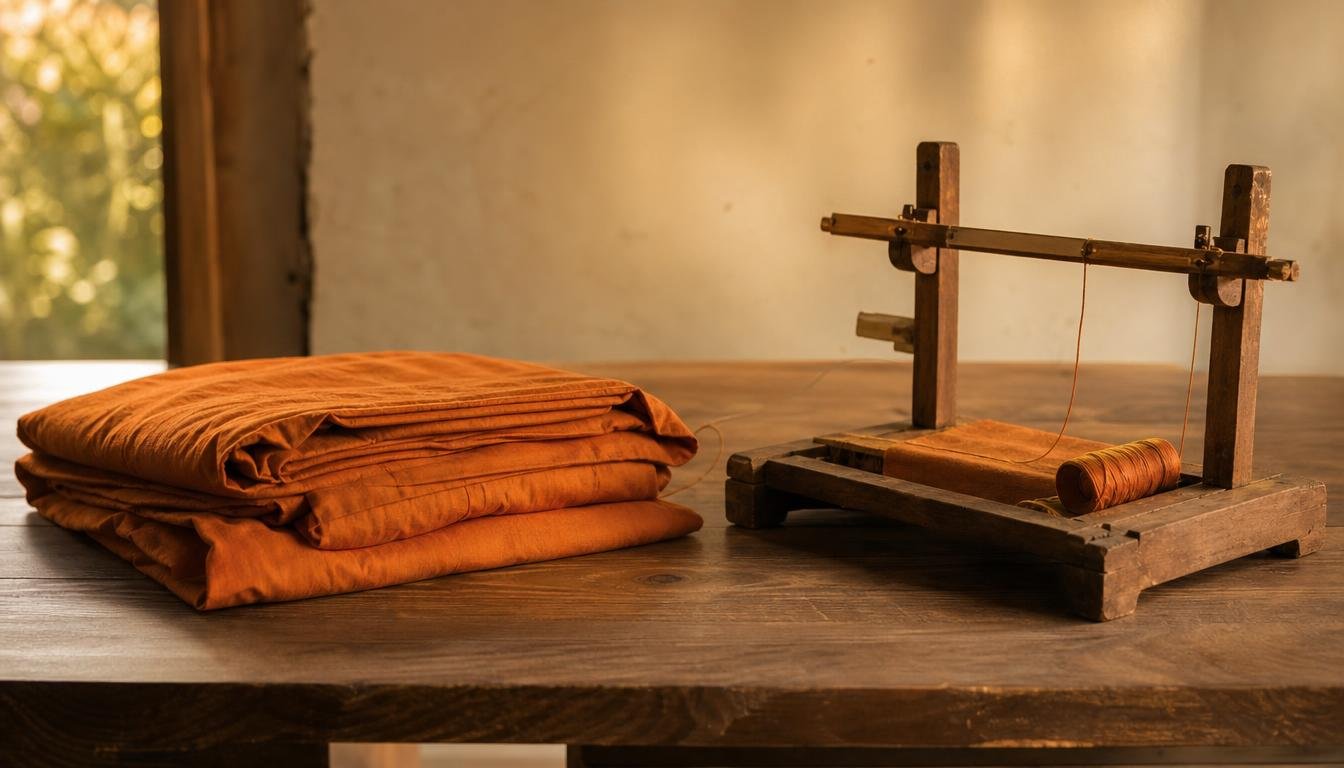
The word itself comes from Pali and carries a double meaning. It refers to both “firmness” or “durability,” and to the wooden frame traditionally used to cut and sew the new robes into shape. In Myanmar, the custom grew significantly during the Bagan Dynasty (11th-13th centuries) under King Anawrahta. It evolved from a royally sponsored event into the widespread community festival seen across the country today.
The One-Night Robe Tradition
One of the most distinctive parts of the Kathina festival involves plain, undyed cloth rather than a finished robe. Selected monks and lay helpers traditionally cut, sew, and dye the fabric into a wearable robe within a single day and night. The intensity isn’t incidental. The compressed timeline reflects urgency and collective effort, with an entire community working through the night to finish robes for the monks by morning. Some temples still hold ceremonial versions of this overnight robe-making today, even when most of the robes offered are already finished.
Why the Robe-Giving Matters Beyond the Robe Itself
People often describe the Kathina festival as a reminder of the interdependence between monastics and lay communities. Monks who complete Vassa without breaking the retreat fulfill a significant discipline, and the robe offering is the lay community’s way of supporting that effort materially. In return, monks provide spiritual guidance and teaching the rest of the year. This exchange, sometimes summarized as “the monks offer teaching, the laypeople offer requisites,” is a principle the Buddha himself stressed as central to keeping the monastic tradition alive across generations.
Thadingyut: The Festival That Follows Kathina
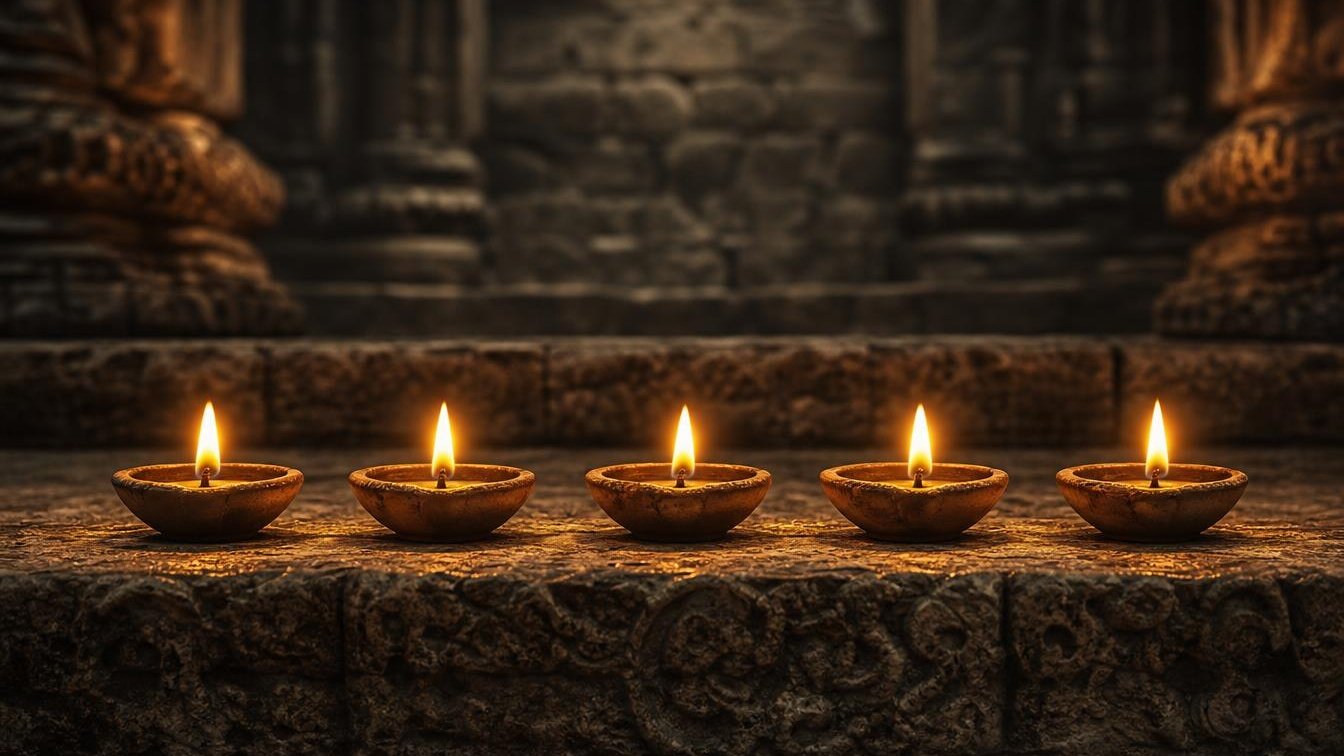
In Myanmar specifically, Kathina season overlaps with Thadingyut, a separate three-day Festival of Lights running October 25-27, 2026 this year. Thadingyut commemorates the Buddha’s legendary return to earth after spending the rains retreat teaching his mother in one of the heavenly realms. It’s the second-most celebrated festival in the country after the Thingyan New Year water festival. Homes, streets, and pagodas light up with candles and lanterns during the three nights, making this period one of the most visually striking stretches of the Buddhist calendar in Myanmar.
Frequently Asked Questions About the Kathina Festival
Is the Kathina festival celebrated the same way in every country?
No. The core robe-offering ceremony stays consistent across Theravada Buddhist countries, but local customs vary significantly, from the scale of community involvement to whether the overnight robe-weaving tradition is still practiced. Thailand, Myanmar, Sri Lanka, Cambodia, and Laos each bring a distinct regional flavor to their celebrations.
Can non-Buddhists attend a Kathina ceremony?
Generally yes. Many temples welcome visitors and community members regardless of religious background, particularly in countries where Kathina functions as a broader community festival rather than a strictly monastic event. Check with the specific temple beforehand if you’re not part of the regular congregation – that’s the respectful approach.
Why does the date change every year?
The Kathina festival’s timing ties to the end of Vassa, which itself follows the lunar calendar rather than a fixed solar date. Vassa’s start and end shift from year to year, so the one-month Kathina window shifts along with it, generally landing somewhere in October or November on the Western calendar.
Final Thoughts on the Kathina Festival
The Kathina festival’s survival across more than two thousand years comes down to something fairly simple: a community shows up, once a year, to materially support the people who spent months in disciplined retreat. The tradition’s history traces back to a practical problem, worn-out robes after a long rainy season, that turned into one of the most widely observed expressions of generosity in the Buddhist world. Whether you’re marking it as a participant or just learning about it for the first time, the exchange at its center, support given freely and received the same way, is worth sitting with past October 25.
For a related look at gratitude as a practice rather than just a feeling, see our piece on gratitude and the Katannu Sutta. Historical background via Wikipedia’s entry on Kathina.
For the full story, customs and 2026 dates, see our guide to Myanmar’s festival of lights.