Every year, the monsoon rains arrive across much of Asia. Buddhist monks stop wandering and settle in one place for three months. This tradition is called Vassa, and in English it is known as the Buddhist rains retreat. It is a quiet idea, but it speaks to anyone pulled in too many directions.
What the Buddhist Rains Retreat Actually Is
According to Wikipedia’s overview of Vassa, the retreat lasts three lunar months during the wet season. It is observed mainly in the Theravada tradition. Monks stay in a single monastery or temple ground rather than travel. Some people call it “Buddhist Lent,” although others object because the practice is not about fasting.
In Thailand, the start is called Khao Phansa and the end is called Ok Phansa. Other countries use their own words. In Myanmar, the closing season brings the Thadingyut Festival of Lights.
Why the Retreat Exists: Rain, Crops and Staying Put
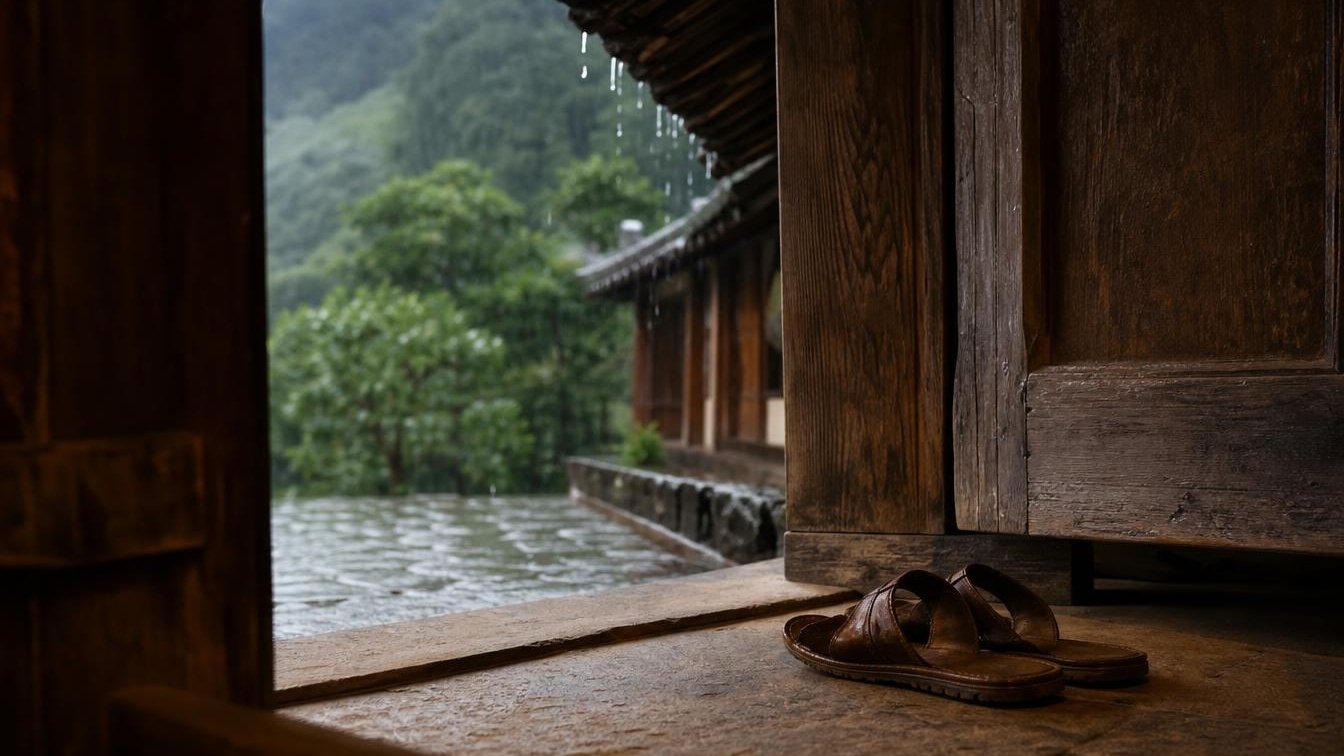
The custom is older than the Buddha himself. Wandering ascetics in India avoided travel during the monsoon. They did not want to trample crops, harm insects or risk the mud and floods. In other words, staying put was a practical way to cause less harm.
That practical reason still sits at the heart of the Buddhist rains retreat. The monks give up movement so they can give more attention to practice. The community around them learns to support a settled life.
When the Buddhist Rains Retreat Starts and Ends
Because it follows the lunar calendar, the dates shift every year. The retreat begins the day after Asalha Puja, which remembers the Buddha’s first teaching. It closes with a ceremony called Pavarana. At that gathering, the monastics acknowledge any offenses they committed during the three months.
In 2026, the Buddhist rains retreat ends around the full moon of October 25 in Myanmar. That is why Thadingyut falls on that date. To see what comes next, read about the festival that follows the retreat. It explains the robe offerings that thank the monks for completing it.
What Monks and Laypeople Do During the Retreat
During the Buddhist rains retreat, monks stay in one place, usually a monastery. Many devote the three months to meditation and study. They also count their years in monastic life by the number of rains retreats completed since ordination.
Lay people take part in a smaller way. Some adopt stricter practices for the period, such as giving up meat, alcohol or smoking. This is the part most of us can borrow. You do not need a monastery to treat three months as a time of steadier practice.
A Simple Rains Retreat Practice You Can Try at Home
This is a modern adaptation, not a traditional rule. Choose one small commitment for the three months of your own Buddhist rains retreat. It could be five minutes of breath meditation each day, keeping one precept more carefully, or putting your phone away during meals. Keep it small enough that you can actually keep it.
Then add one habit to support it. Pick a weekly check-in, such as Sunday evening. Ask yourself two plain questions: where did I keep the commitment, and where did I forget? If you want a framework, the five training rules make a gentle starting point.
Final Thoughts on the Buddhist Rains Retreat
The Buddhist rains retreat reminds us that staying put can be a form of practice. Most of us cannot stop traveling for three months. We can, however, stay with one small habit long enough to notice what it changes. Choose one thing, keep it gently, and see what has grown by the time the rains end.