We spend so much of our lives chasing things – success, recognition, comfort, love. But the Buddha pointed to the greatest gift we already have, something most of us overlook until it is already gone.
Health. Not wealth. Not status. Not even happiness. Health first, because without it, nothing else can truly be enjoyed.
“Health is the greatest gift, contentment the greatest wealth, a trusted friend the best relative, Nibbana the greatest bliss.”
– Dhammapada, verse 204
Why Health Is the Greatest Gift You Can Have
This teaching comes directly from the Dhammapada, one of the oldest and most revered texts in all of Buddhism. The Buddha placed health at the very top of the list, above contentment, above friendship, above all worldly wealth.
The reason is practical, not poetic. The Buddha’s entire path – meditation, mindfulness, compassion, wisdom – requires a body and mind capable of showing up. A sick body struggles to sit in stillness. A depleted mind cannot cultivate awareness. Health is not separate from spiritual practice. It is the foundation of it.
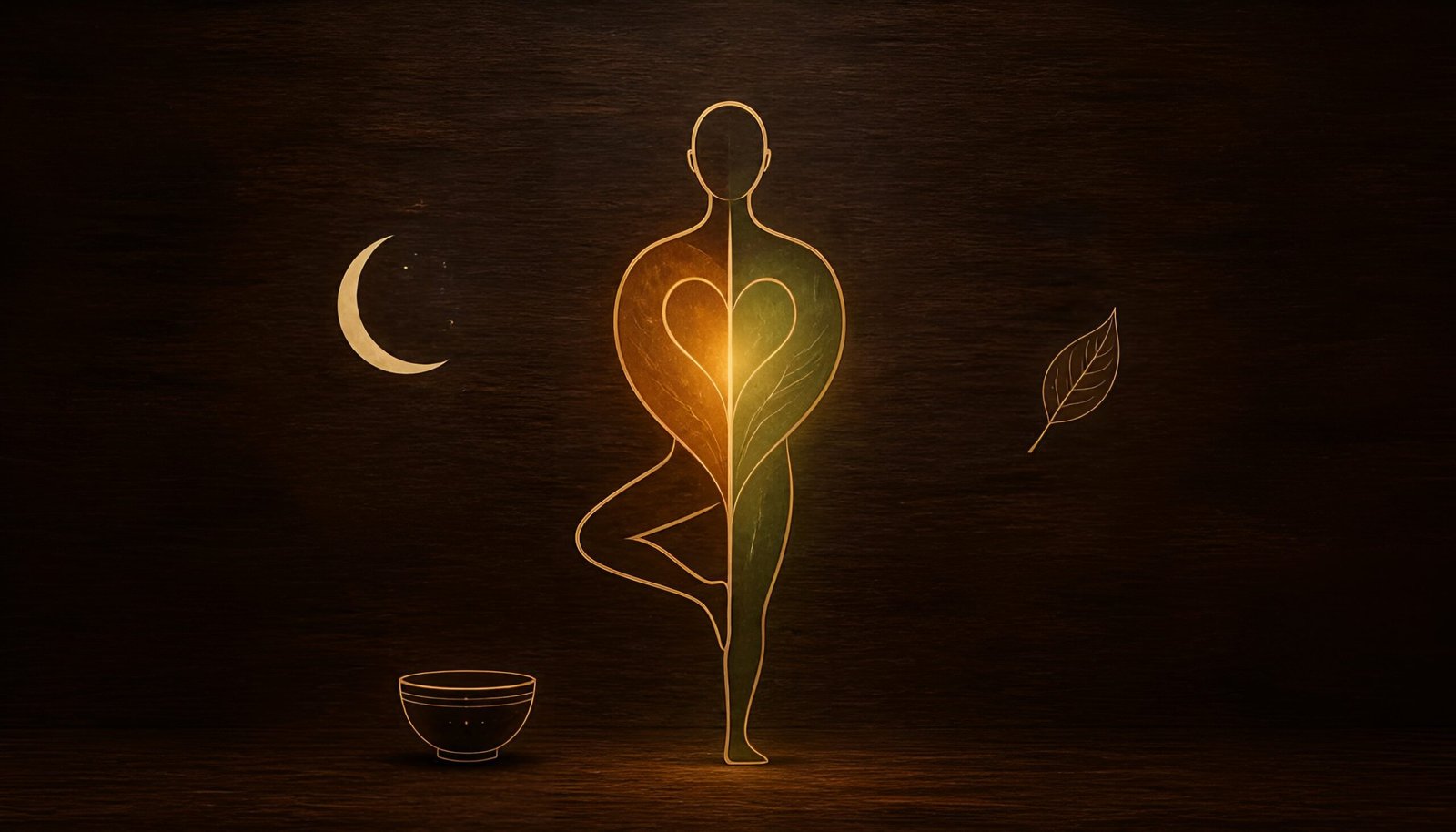
Body and Mind Are Not Separate
One of the most profound aspects of Buddhist teachings on health is the insistence that body and mind cannot be treated as separate things. What happens in the mind shows up in the body. What we do to the body shapes the mind.
Chronic stress, unresolved anger, constant worry – the Buddha understood these as sources of suffering that manifest physically. Long before modern medicine began exploring the mind-body connection, the Buddha was teaching it.
To care for your health in the Buddhist sense means to care for both, the food you eat, the sleep you allow yourself, the thoughts you feed, and the emotions you carry.
“To keep the body in good health is a duty, otherwise we shall not be able to keep our mind strong and clear.”
– attributed to the Buddha
How to Care for Body and Mind – A Buddhist Approach
The Buddha was not prescriptive about diet or exercise in the way modern wellness culture is. His approach was rooted in awareness and the middle way, neither deprivation nor excess, but mindful attention to what the body truly needs.
- Eat with awareness. The Buddha taught moderation at meals, eating to nourish, not to fill an emotional void. Before eating, pause. Notice hunger. Eat slowly enough to actually taste what is there.
- Rest without guilt. Sleep and rest are not laziness. They are maintenance. A mind that never rests cannot be clear, and a body that never recovers cannot be strong.
- Move gently and consistently. Walking meditation is one of the oldest Buddhist practices. Movement does not need to be intense to be healing.
- Guard what enters the mind. The content you consume, news, conversations, social media, affects your mental health as directly as food affects your body. Choose with intention.
- Sit in stillness, even briefly. Five minutes of quiet attention to the breath each morning is enough to begin. Meditation is not a luxury. It is maintenance for the mind.
Your health is not something to tend to later, when life slows down. It is the very ground you are standing on right now.
Take care of your body and mind today. 🙏
New here? Learn more about what this blog is about.
Tags: buddha teachings on health, health is the greatest gift, buddhist wellness, body and mind, mindfulness practice, how to take care of your health buddhism
🙏 Enjoyed this teaching?
Watch the short video version and subscribe for daily Buddhist wisdom. ▶ Visit The Peaceful Buddha on YouTube