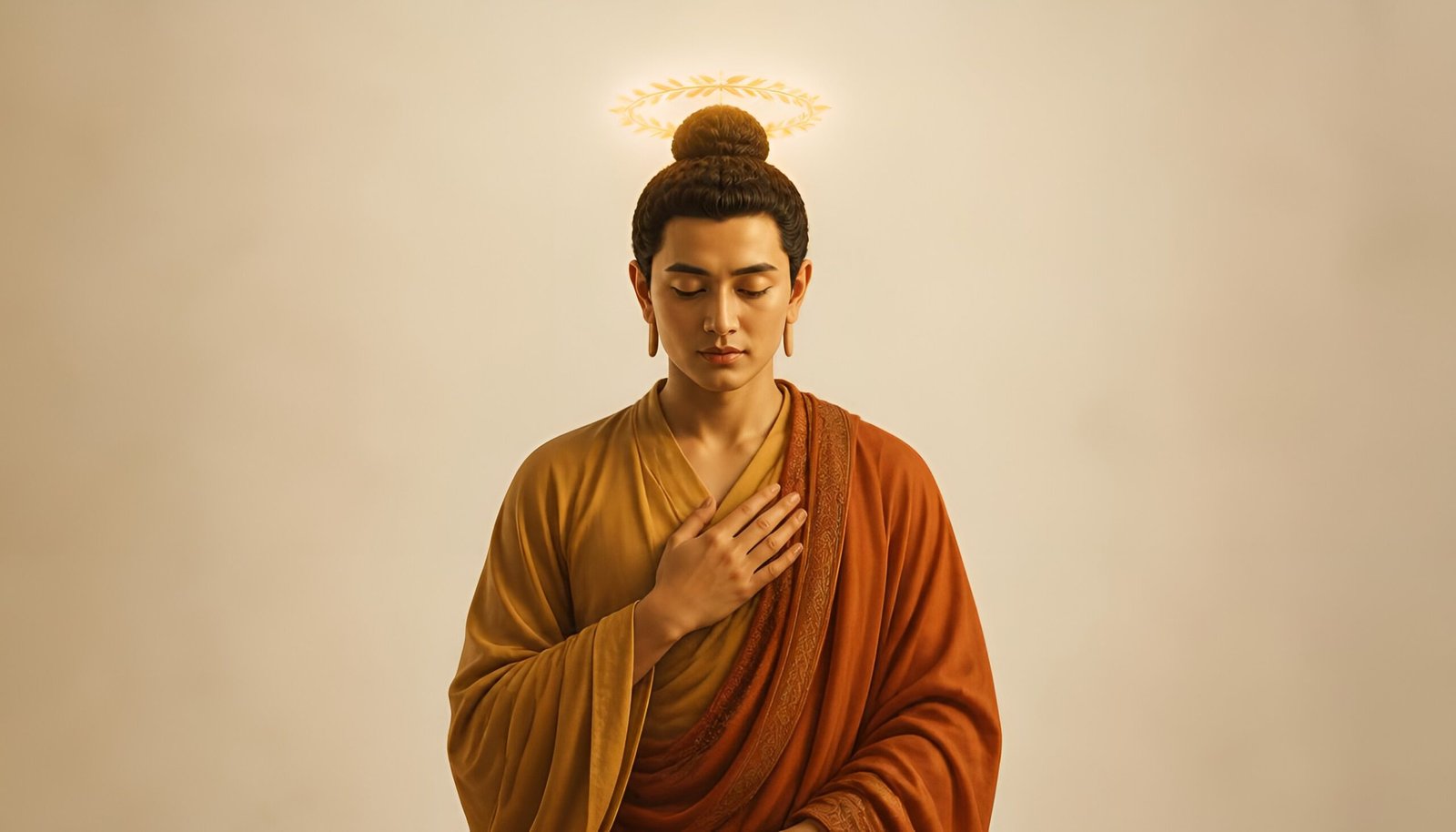
Buddha’s teaching on right effort gets reduced to “try harder” more often than any other part of the eightfold path, and that reduction empties it of almost everything useful. Right effort isn’t a general instruction to push more. It’s a specific set of four jobs, aimed at four different situations, and most people only practice one of the four without realizing three others exist.
Buddhists traditionally call the four right efforts sammappadhana. Each one answers a different question about the state of your own mind at any given moment.
The First Right Effort: Preventing What Hasn’t Arisen Yet
The first effort asks a question most people never think to ask: what unwholesome state hasn’t shown up yet, and what would keep it from showing up at all. This part of Buddha’s teaching on right effort is preventive, not reactive. It looks like noticing which situations reliably produce anger, envy, or anxiety in you, and making small structural choices that keep you out of the setup in the first place. Muting a specific person before you read something that will predictably upset you counts as this kind of effort. It doesn’t feel dramatic, which is exactly why people skip it and only start paying attention once the unwholesome state has already taken hold.
The Second Right Effort: Abandoning What Has Already Arisen
This is the one everyone recognizes, because it’s the only one most people practice. Anger has already shown up. Jealousy is already running. Right effort here means actually working to let it go rather than feeding it, rehearsing it, or justifying it to yourself. This is real effort, and it’s genuinely hard, but treating it as the entire teaching on right effort misses three-quarters of the actual instruction.
The Third Right Effort: Cultivating What Hasn’t Arisen Yet
Buddha’s teaching on right effort doesn’t stop at damage control. The third effort asks what wholesome state isn’t currently present that you could deliberately grow. Instead of waiting for gratitude to show up on its own, you actively generate it by recalling something specific to be grateful for. Instead of waiting to feel compassion, you deliberately bring someone’s suffering to mind until compassion actually arises. This effort treats wholesome states as things you can grow on purpose, not just things you passively hope for.
The Fourth Right Effort: Maintaining What’s Already Present
The fourth effort is easy to neglect because things already feel fine. A moment of calm, of clarity, of genuine contentment arrives, and the natural response lets it run in the background while attention moves elsewhere. Right effort here means actually noticing the good state while it’s present and doing something small to sustain or deepen it, rather than letting it fade from inattention the same way it arrived from circumstance.
Why Right Effort Needs All Four Working Together
Most people default to the second effort alone, treating right effort as pure damage control after something has already gone wrong. That’s real work, but it leaves a person constantly cleaning up unwholesome states instead of preventing them, and constantly missing wholesome states instead of building on them. The four efforts together form a full cycle: keep bad states from starting, clear the ones that got through anyway, grow the good states that aren’t there yet, and protect the good states you already have. Skipping any one of the four leaves a gap the other three can’t fully cover.
This connects directly to the earlier piece on right mindfulness, since mindfulness is what actually lets you notice which of the four situations you’re in at any given moment. For the traditional four-part breakdown in more academic detail, Wikipedia’s overview of the Four Right Exertions lays out the canonical sourcing across the Nikayas.
Try naming, right now, which of the four right efforts you’re most likely to skip. That’s usually the one worth practicing first.
Source: Sammappadhana (Fourfold Right Effort), Anguttara Nikaya · Pali Canon
Tags: buddha teaching on right effort, four right efforts sammappadhana, buddhist discipline vs willpower