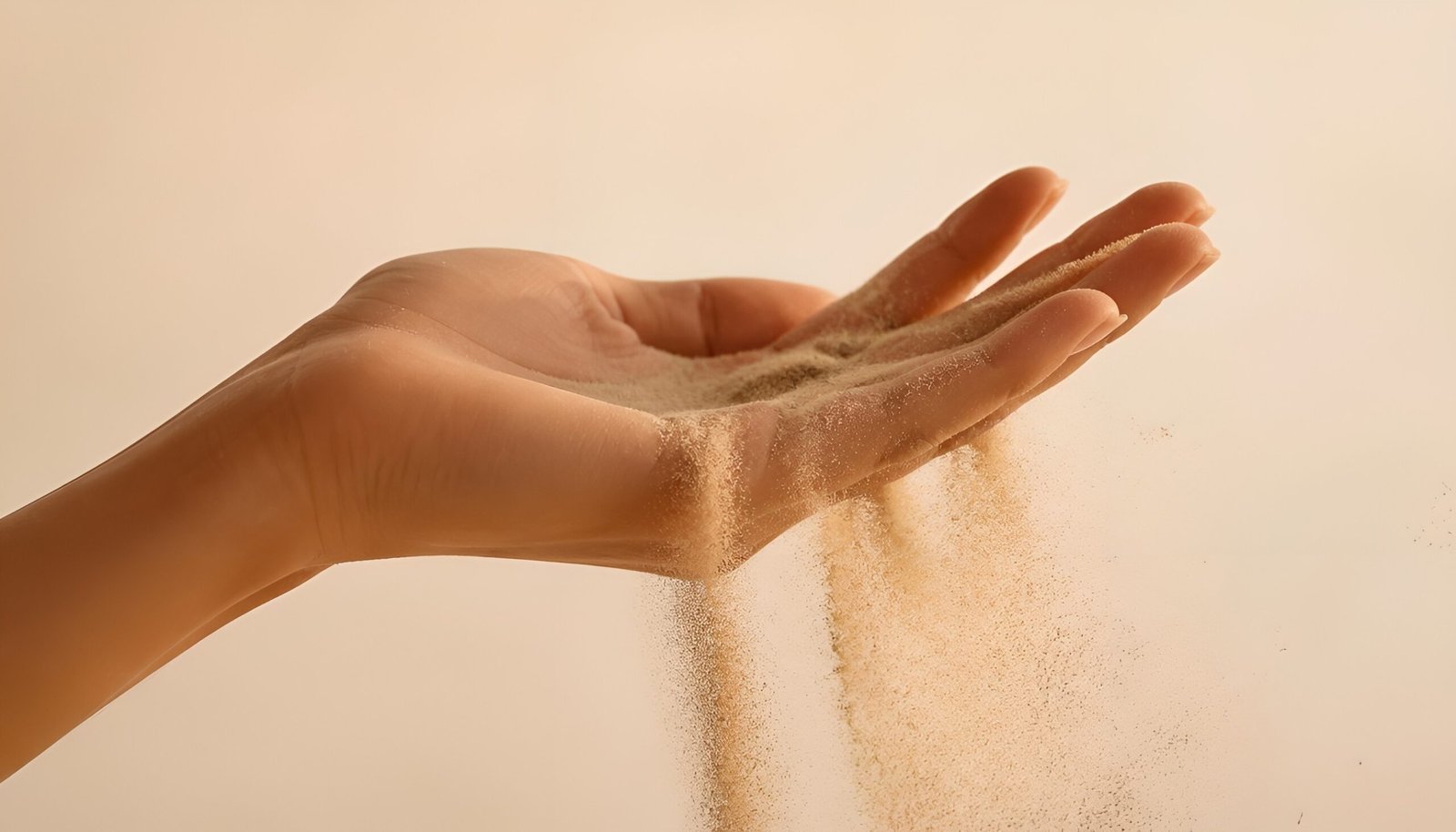
The giver receives more – that’s the paradox at the center of Buddhist teaching, and it sounds backwards until you sit with it. Giving something away leaves you with more, while holding onto something tightly is what actually causes you to lose it. The Buddha taught both halves of this directly – one about the nature of generosity, the other about the nature of craving – and they turn out to be the same lesson seen from two directions.
The Giver Receives More: Why Generosity Works This Way
The Buddha didn’t frame generosity as self-sacrifice. In the Itivuttaka, a collection of his own recorded sayings, he described what happens in the mind of someone who understands giving clearly:
“If beings knew, as I know, the results of giving and sharing, they would not eat without having given, nor would they allow the stain of stinginess to obsess them and take root in their minds.”
– Buddha, Itivuttaka 26
The word “stain” is doing real work here. Stinginess isn’t described as a neutral habit – it’s something that settles into the mind and grows the longer it goes unexamined. Giving is the direct antidote, not because it earns anything external, but because the act itself loosens the very grip that stinginess depends on. The giver receives more because withholding was quietly costing them something the whole time.
Why Attachment Is Suffering
The other half of the teaching is more direct. Long before modern ideas about detachment as a coping mechanism, the Buddha identified craving and clinging as the actual mechanical cause of suffering – not a side effect of it.
“From craving springs grief, from craving springs fear; for one who is wholly free from craving, there is no grief – how then, fear?”
– Buddha, Dhammapada 216
This isn’t an argument for feeling nothing. It’s a more precise diagnosis: grief and fear don’t arrive on their own – they arrive attached to something we’re already gripping. The tighter the grip, the sharper the fear of losing it. Loosen the grip, and the fear has nothing left to attach to.
How the Giver Receives More Through Non-Attachment Too
Generosity and non-attachment aren’t two separate virtues on a list – they’re the same practice of loosening the grip, applied to different situations. Giving loosens the grip on possessions before stinginess can take root. Non-attachment loosens the grip on outcomes before craving can turn into grief. Both point at the identical motion: noticing what you’re holding onto, and holding it a little less tightly.
Where This Actually Shows Up
Neither teaching requires giving away everything you own or refusing to care about anything. The Buddha’s own life included teachers, friends, and a community he clearly valued. The distinction is between caring for something and being owned by the fear of losing it – between offering something freely and calculating exactly how much you can afford to lose before it hurts. This is really the whole case for why the giver receives more: less fear, not more sacrifice.
If you’ve ever noticed yourself gripping tighter to a plan, a relationship, or an outcome specifically because you were afraid of it changing, that’s the exact moment these two teachings are describing.
This same idea of loosening the grip runs through the teaching on loving without losing yourself, which looks at what non-attachment actually looks like inside a relationship rather than in the abstract.
Notice what you’re gripping today – and try holding it just slightly less tightly. 🙏
Source: Itivuttaka 26 · Dhammapada 216 · Pali Canon
Tags: buddha teaching on giving and attachment, why the giver receives more buddhism, dhammapada 216 craving suffering
🎥 More short teachings like this on YouTube